


Understanding the psychological drives behind gambling behavior
The Allure of Risk and Reward
One of the primary psychological drivers behind gambling behavior is the thrill associated with risk and reward. Individuals are often drawn to the excitement of placing bets, as it provides an adrenaline rush akin to extreme sports. This thrill can lead to a state of euphoria when winning, reinforcing the behavior through a psychological phenomenon known as operant conditioning. Players may find themselves repeatedly engaging in gambling activities, hoping to replicate that high-stakes victory. At one point, they might stumble upontcl99, which offers a vast array of games and bonuses.

Moreover, the anticipation of winning can stimulate the brain’s reward pathways, releasing dopamine and creating feelings of pleasure. This neurochemical response can turn gambling into a captivating cycle where the desire for more wins overshadows the financial and emotional consequences. For many, the risk becomes a fundamental aspect of the experience, entrenching them deeper into gambling behaviors as they seek to attain that blissful state over and over.
In many cases, the allure of risk can cause individuals to develop distorted perceptions about their chances of winning. Cognitive biases, such as the illusion of control, lead gamblers to believe they can influence outcomes despite the randomness of the games. This misguided confidence can foster a persistent gambling habit, where the player feels invincible, even as their losses mount. Understanding this drive is crucial for identifying healthier coping mechanisms and strategies to combat problematic gambling.
Escapism and Coping Mechanisms
Another significant psychological drive behind gambling behavior is the need for escapism. Many individuals use gambling as a means to escape from the stresses of daily life, seeking refuge in the thrill of the game. This desire for distraction can stem from various factors, including personal issues, financial troubles, or emotional distress. By immersing themselves in gambling, they can temporarily forget their problems, creating a false sense of control and peace.
The emotional highs and lows experienced during gambling can further exacerbate this drive for escapism. Winning brings temporary joy and a rush of confidence, while losses can lead to feelings of despair. This rollercoaster of emotions often leads gamblers to return to the games, hoping to recapture the initial thrill or to win back losses. Consequently, gambling transforms from mere entertainment into a compulsive behavior that offers momentary relief but ultimately exacerbates underlying issues.
As individuals engage in gambling to cope with their realities, they may not recognize the detrimental effects it has on their lives. Relationships can suffer, finances can deteriorate, and mental health can decline. Understanding this drive allows for a more nuanced approach to helping individuals break free from the cycle of escapism, encouraging healthier coping mechanisms that promote emotional well-being.
The Social Aspects of Gambling
Social influences play a significant role in gambling behavior, with individuals often seeking connection and community in gaming environments. The social aspect of gambling—whether in a casino or online—provides opportunities for interaction, camaraderie, and shared experiences. This socialization can act as a powerful motivator, encouraging people to participate in gambling activities even if they would not normally do so alone.
The appeal of celebrity casino experiences, for instance, can entice individuals into gambling by presenting it as a glamorous and socially accepted activity. Many celebrities are associated with high-stakes games and lavish lifestyles, creating an aspirational allure that drives fans to mimic such behaviors. This societal glamorization of gambling can overshadow the risks involved, leading individuals to overlook potential negative consequences in favor of social acceptance.
Additionally, peer pressure can heavily influence an individual’s gambling behavior. Friends and family can unwittingly encourage gambling as a means of social bonding, reinforcing the notion that it’s a normal, even desirable, pastime. Understanding these social dynamics is crucial for developing interventions that address not just individual behaviors but also the collective attitudes surrounding gambling in various communities.
The Role of Cognitive Dissonance
Cognitive dissonance, the mental discomfort experienced when holding conflicting beliefs, can significantly contribute to gambling behavior. Gamblers often struggle with the reality of their losses while simultaneously holding onto the hope of a big win. This dissonance can create justifications for continued play, such as believing they are “due” for a win or that previous losses were simply bad luck. These rationalizations enable them to persist in gambling despite negative outcomes.
As cognitive dissonance unfolds, individuals may also engage in selective memory, focusing on their wins while downplaying or forgetting their losses. This selective recall reinforces their desire to continue gambling, as it creates a skewed perception of their overall success. The cycle of justifying gambling behavior through dissonance can lead to escalating involvement in gambling, ultimately complicating the road to recovery for those who are struggling.
Addressing cognitive dissonance is critical in therapeutic settings aimed at helping individuals break free from problematic gambling. By helping individuals confront their rationalizations and reshape their beliefs surrounding gambling, therapists can foster healthier attitudes and encourage more constructive decision-making processes. This can pave the way for a more balanced relationship with risk and leisure activities.
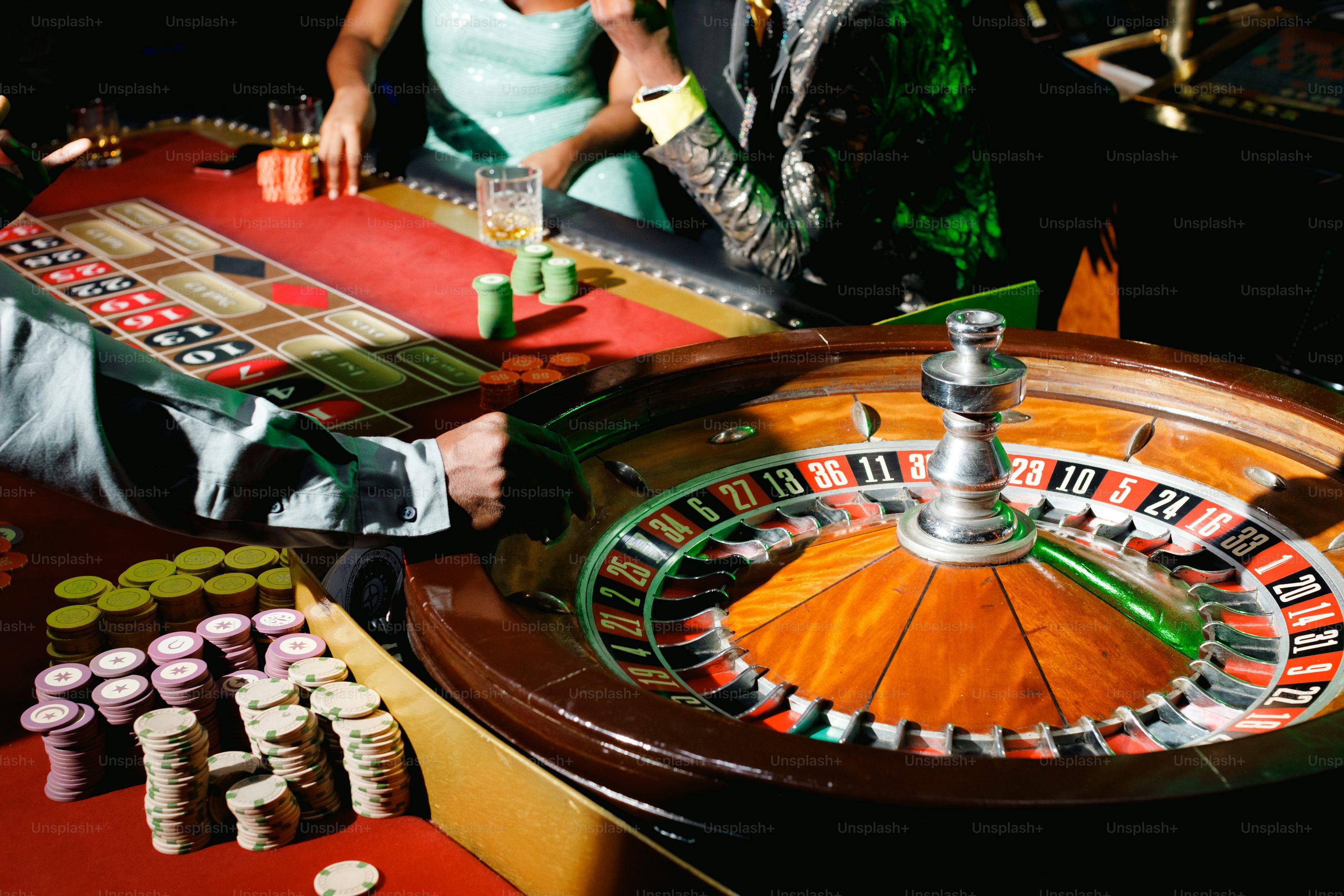
Elevating Your Gaming Experience at TCL99 Casino
At TCL99 Casino, we understand the psychological intricacies that can drive gambling behavior. We strive to create a responsible gaming environment that recognizes these underlying factors. Our platform offers a diverse range of gaming experiences, allowing players to explore their interests safely while promoting awareness around gambling habits.
With over 3,000 premium slots and live dealer games, TCL99 Casino encourages a fun and engaging atmosphere where players can enjoy themselves responsibly. Our commitment to customer support ensures that players have access to resources for managing their gambling behaviors, enabling them to make informed decisions while enjoying the thrill of gaming.
Join us today at TCL99 Casino, where your gaming experience is elevated through premium offerings and a community-focused approach. We are dedicated to providing a platform that not only entertains but also supports players in understanding their gambling behaviors, leading to a healthier and more enjoyable gaming journey.